Machine Health Monitoring And Food Processing Lines: A Field Guide To Protect Product Quality

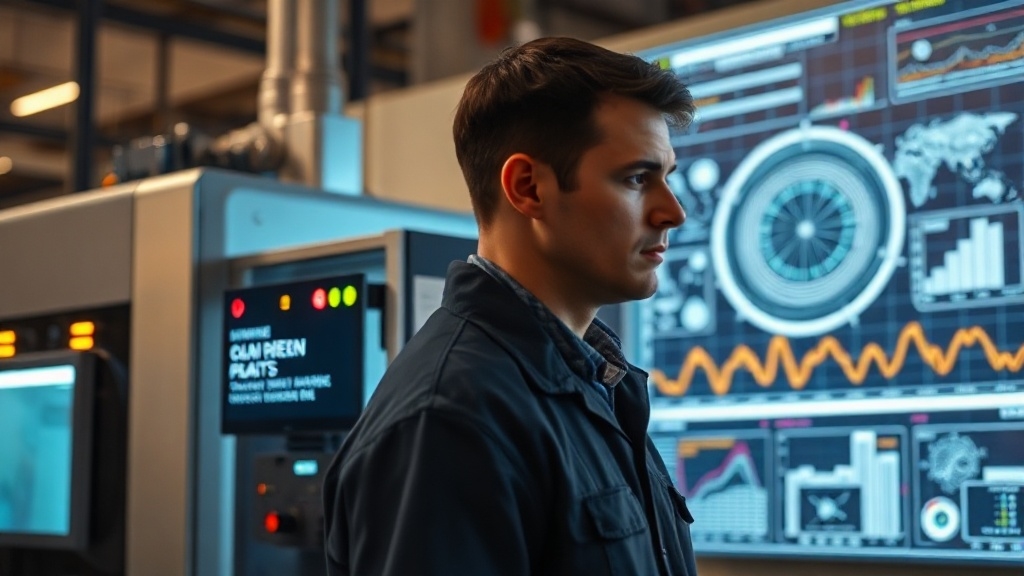

Food Processing Lines play a key role in daily production, so small faults can affect a full shift. Better data can help the plant protect product quality without adding needless work. Clear signals give operators and maintenance staff a shared view.
Useful monitoring may include motor current, belt speed, product temperature, and cycle time. A reading only makes sense when the team knows what the machine was doing. It is especially useful across recipe runs, washdowns, and product changeovers.
With machine health monitoring, a plant can review machine change without sending every raw value away. The system should support the team, not bury it in alarm noise. The steps below show how to build the plan in a calm and useful way.
Brief Overview
- Begin with one food processing line or a small group that has a clear business need.
- Track a short list of useful signals, including motor current and belt speed.
- Record machine state so the team can compare like with like.
- Link each alert to a task that helps the plant protect product quality.
- Review results with operators, maintenance staff, and controls teams.
Why Better Machine Data Helps Teams Protect product quality
Many maintenance plans for food processing lines still rely on fixed dates and manual checks. The gap appears when wear grows after one check and before the next. A clear trend may show change tied to belt slip or heat drift.
The aim is not to replace skilled people. It gives them more time to inspect, plan, and choose the right response. A shared view makes it easier to protect product quality and plan a safe window.
Signals That Matter on Food Processing Lines
Motor current can show a change in motion, load, or contact. Belt speed adds a useful view of heat or process stress. Product temperature can show how hard the drive or process is working. No one signal gives the full answer, so trends should be read together.
Changes may point toward bearing wear, heat drift, or jam risk. A rise may be normal after a product change or heavy load. That is why operating state must be stored beside each reading.
How Edge Analysis Makes Alerts More Useful
An edge device can review sensor data close to where it is made. This can reduce delay and limit the need to move every sample to a cloud service. A local alert path can remain active when the main link is down.
A good model first learns what normal work looks like. Teams should collect data across normal speeds, loads, and shift patterns. Without that range, the system may flag https://www.esocore.com/ normal work as a fault.
Building a Clear Alert and Response Workflow
The plant should define who reviews each alert and how fast. The first check may compare motor current with belt speed and recent work. The result should lead to an inspection, a work order, or a clear close note.
A setup built around edge computing IoT gateway can move selected machine insight into the tools people already use. A useful event carries the machine name, time, trend, state, and next check. That small set of facts saves time during a busy shift.
Starting with a Pilot That the Team Can Trust
Choose food processing lines where a fault has a real effect and the team knows the history. Use one clear goal that supports the need to protect product quality. This keeps the first phase clear and limits extra work.
Start with broad review rules, then tune them with real plant data. Record each confirmed fault, false alert, and useful warning. Each finding can make the next alert more clear and useful.
Scaling the System Without Losing Clarity
Growth is easier when the first asset has clear rules and a repeatable setup. Shared plans help the team add more machines without starting from zero. Still, each asset needs limits that match its load, speed, and duty.
A larger system needs clear rules for access, storage, and change control. Set clear rights for users, devices, data exports, and software changes. Clear control helps the plant protect product quality without creating a new data gap.
Practical Steps for a Strong Start
Ask operators which changes they notice before a fault becomes clear. Keep the first dashboard small enough for a busy shift to scan. Document the path from sensor reading to alert and work order. Record normal speed, load, product, and shift conditions during the baseline period. Choose one food processing line with a clear fault history and a willing owner. Reuse sound templates, but keep limits tied to each machine state. Archive old rules so later changes can be traced and explained.
Keep raw data only when it supports a clear technical or legal need. Expand to similar assets only after the first workflow is stable. Do not copy one threshold across assets that run at different loads. Train more than one person to review data and change alert rules. Test how local alerts behave when the main network link is lost. The next phase should follow proven value, not a need to collect more data.
Treat the system as a team aid, not as a final verdict. Show the current state, recent trend, alert level, and last known action.
Frequently Asked Questions
What should a team monitor first on food processing lines?
Start with signals tied to a known fault or costly stop. For many assets, motor current and belt speed are useful first choices. Add more only when each new signal supports a clear action.
How can monitoring help a plant protect product quality?
It shows change between normal service visits. The team can use that trend to inspect sooner, rank work, or plan a better service window. The data should support a decision, not replace plant skill.
Can edge monitoring keep working during a network outage?
Local sensing and analysis can continue when the device is set up for offline work. Alerts may stay on site until the link returns. The exact behavior depends on the hardware, software, and alert path.
How can a team reduce false alerts?
Collect a broad baseline and store the machine state with each reading. Review every alert with operators and maintenance staff. Then tune limits with confirmed findings from real production.
When is a pilot ready to expand?
Expand when the team trusts the data, follows a clear response, and records useful results. The setup should be easy to copy. Owners, access rules, and support tasks should also be clear.
Summarizing
Better monitoring of food processing lines starts with one sound use case and a workflow that staff can follow. Data from motor current, belt speed, and cycle time should always be read with load and operating state. A simple edge path can turn raw readings into a smaller set of useful events.
Keep the first rollout focused on the need to protect product quality, not on the amount of data collected. A calm review process will do more for trust than a crowded dashboard. Over time, the plant gains a clearer and more useful view of machine health.